
Sea foods are everywhere.
When we say seafood, it is about foods that comes from seas. Salty and tasty food which we always wanted everyday.
Sea foods are everywhere.
When we say seafood, it is about foods that comes from seas. Salty and tasty food which we always wanted everyday.
Kumusta ka?
Kumusta ka, aking mahal
Sana ay nasa mabuti ka
Sana’y iyong naririnig
Baka ka magising
Mga gabing mapaglahad
Dinadaan sa awit
Nalulungkot kong damdamin
Naaliw na rin
CHORUS
Panaginip ko’y laging ikaw, sinta
Kahit na dilat yaring mata
Kahit na malayo ka’y parang kapiling ka
Mahal, kumusta ka
Malalim pa itong gabi
Malamig ang simoy ng hangin
Kung mayayakap lamang kita
Lamig ay ‘di madadama
[Repeat Chorus]
Kumusta ka aking mahal
Sana ay nasa mabuti ka
Ako’y wag mong intindihin
Nakakaraos din
Kumusta ka aking mahal
NO ONE CAN ACHIEVE IF NO ONE CAN ENCOUNTER.
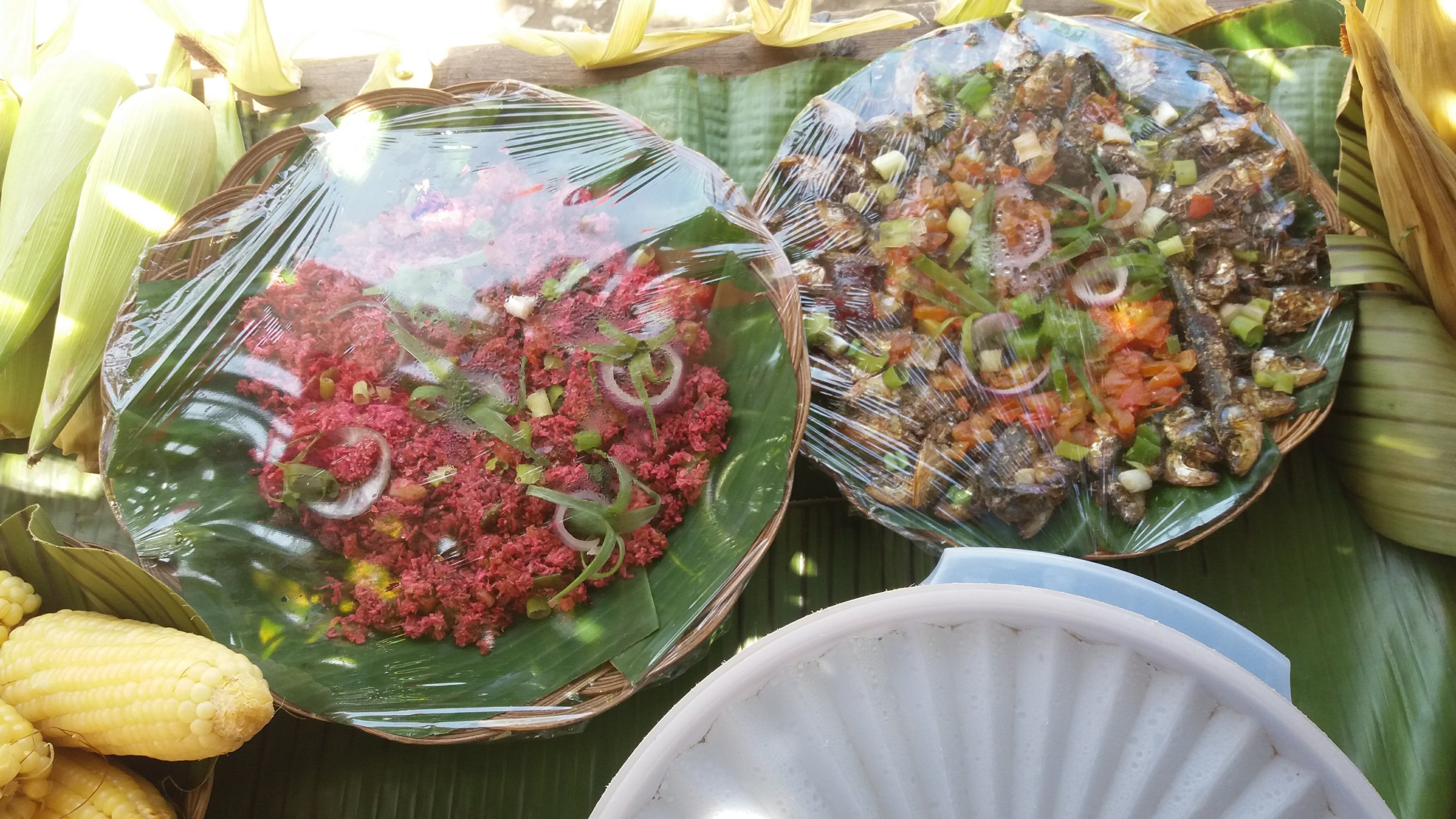
Filipino delicacies (Lutuing Pilipino/Pagkaing Pilipino) is composed of the cuisines of more than a hundred distinct ethno-linguistic groups found throughout the Philippine archipelago. However, a majority of mainstream Filipino dishes that compose Filipino cuisine are from the cuisines in Visayan (Cebuano, Hiligaynon and Waray), Chavacano and Maranao ethno-linguistic groups.
The style of food making and the food associated with it have evolved over many centuries from their Austronesianorigins (shared with Malaysian and Indonesian cuisines) to a mixed cuisine of Indian, Chinese, Spanish and American influences, in line with the major waves of influence that had enriched the cultures of the archipelago, as well as others adapted to indigenous ingredients and the local palate.
Dishes range from the very simple, like a meal of fried salted fish and rice, to fish curry, chicken curry, complex paellas and cozidos of Iberian origin created for fiestas. Popular dishes include: lechón (whole roasted pig), longganisa (Philippine sausage), tapa (cured beef), torta (omelette), adobo (chicken or pork braised in garlic, vinegar, oil and soy sauce, or cooked until dry), dinuguan (pork blood stew), kaldereta (meat stewed in tomato sauce), mechado (larded beef in soy and tomato sauce), pochero (beef and bananas in tomato sauce), afritada (chicken or pork and vegetables simmered in tomato sauce), kare-kare (oxtail and vegetables cooked in peanut sauce), pinakbet (kabocha squash, eggplant, beans, okra, and tomato stew flavored with shrimp paste), crispy pata (deep-fried pig’s leg), hamonado (pork sweetened in pineapple sauce), sinigang (meat or seafood in sour broth), pancit (noodles), and lumpia (fresh or fried spring rolls). Various food scholars have noted that Filipino cuisine is multi-faceted and is the most representative in the culinary world for food where ‘East meets West’.
Hi! I am Jella Kilantang a friendly blogger. I am a former Grade 12 HUMSS student in Sibonga National High School. I used to blog some kinds of foods which I would like to discover more.

 aristotle.jkilantang